Intelligence, Built In
2026-11-18 Innovation 4 minWith its newly developed connectivity module, KION is making its industrial trucks smarter and more efficient. The unified platform reduces the number of variants and interfaces, enables fleet management, and lays the foundation for new digital applications that can be added to vehicles through future software updates. This turns built-in intelligence into a competitive advantage.
Standardize, improve, and boost efficiency – these were the goals of the KION Digital Business Unit when it set out to redesign our trucks’ connectivity module from the ground up. The result is a unified platform that, depending on the truck type, comes factory-installed, reducing the number of variants and interfaces. At the same time, it provides standard telemetry data, enables fleet management, and lays the technical foundation for new intelligent applications that can be added later through software updates. This means customers get smart trucks with built-in intelligence right from the start – a clear competitive differentiator.
Here’s a closer look at how the new connectivity module works, why it’s already making a big difference for KION, and how it will help our customers make better-informed decisions in the future.
At a Glance
• Intelligence, Built In: Depending on the truck type, the new connectivity module comes factory-installed in many new trucks.
• One Platform Across All Brands: Shared hardware and software replace multiple standalone solutions, reducing complexity, increasing efficiency, and paving the way for new digital offerings.
• A Competitive Edge: Trucks collect data and process events on board. New features can be added through software updates, provided the use case and truck configuration allow for it. Data is processed through the myLinde portal, which is evolving into a decision support tool for our customers.

Why KION Built a New Connectivity Module
Until now, connectivity was often an optional feature on industrial trucks. Different devices, suppliers, and interfaces added complexity and made it difficult to roll out digital features consistently across large numbers of trucks.
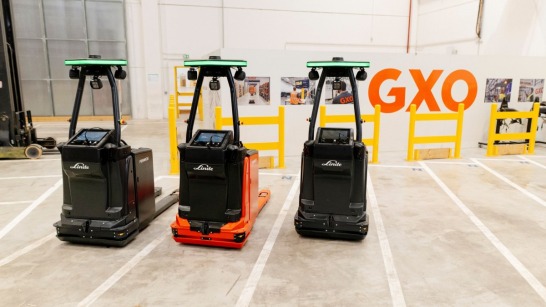
Today, depending on the truck type, the connectivity module comes factory-installed in many new Linde Material Handling trucks.
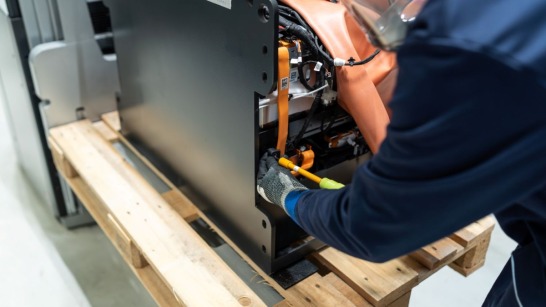
As a first step, the new module replaces various devices and standalone solutions in our trucks with a shared hardware and software platform. This reduces the number of variants, suppliers, and interfaces our brands need to manage. By reducing complexity, we can streamline development and procurement while freeing up resources for innovation.
The next step is to use this unified technology as the foundation for new digital offerings. The connectivity module was developed as a Group-wide project led by the KION Digital Business Unit, which also designed intelligent use cases building on the new platform. As a proprietary KION solution, the technology can be further developed and rolled out across different brands and truck types.
“The new connectivity module helps us work more efficiently and reduces complexity. With just one module, we can offer our customers smart trucks. That makes everything a whole lot easier.”
Dr. Andreas Lewandowski, Managing Director Product Development, KION Digital Business UnitThe Technology Behind It, Explained Simply
1. Connectivity: How Trucks Exchange Information
The connectivity module links the truck’s onboard electronics to its digital environment – for example, to brand-specific fleet management systems such as the myLinde customer portal.
A fleet management system brings together data from multiple trucks, giving customers the visibility they need to manage, analyze, and optimize their fleets. With myLinde, for example, our brands offer their own fleet management solutions and are continuously expanding them into comprehensive decision support tools. Built-in intelligence also helps Linde Material Handling set its trucks apart from the competition.
2. Onboard Processing: Putting Data to Work Right Where It's Collected
The connectivity module collects data such as the truck’s position, movements, and shocks. It can process events directly on board, even when a network connection is temporarily unavailable.
This is known as edge computing: Some of the data processing takes place right where the data is generated – in the truck itself. However, exchanging information with other systems still requires a network connection.
3. Fleet Analytics: Turning Truck Data into Actionable Insights
As the technological foundation for fleet management, the connectivity module allows us to collect even more data from our trucks, beyond standard telemetry data. By bringing together data from multiple trucks, we can gain a reliable picture of how the entire fleet is performing.
Customers can access and analyze this data in myLinde. New features such as myLinde AI help turn the information into actionable insights. As a result, these portals are gradually evolving from fleet management systems into decision support tools that help customers make informed decisions. Depending on the use case, they can reveal traffic patterns, bottlenecks, or shock events. The connectivity module can also link changes in a truck’s load status to its location, providing valuable insights into how the truck is being used.
4. Software Updates: Adding New Features After Purchase
The key advantage of the shared platform comes into play in the next step: New software features can be delivered wirelessly to the connectivity module – and thus to the truck itself – through over-the-air updates.
It's a familiar concept from smartphones: The hardware stays the same, while new features are added through software. This allows the Digital Business Unit to develop intelligent applications and roll them out to trucks already equipped with the module, without the need to retrofit additional hardware – provided the specific use case and truck configuration support them.
At the same time, the connectivity module lays the technical foundation for digital service offerings. Truck data can be used to diagnose faults more quickly, continuously monitor vehicle health, and identify maintenance needs early on. This improves truck availability, reduces unplanned downtime, and makes service operations more efficient.

Conclusion
Today, the unified platform is reducing complexity and improving efficiency at KION. At the same time, it provides standard telemetry data for fleet management in myLinde. Building on this foundation, AI-powered analytics, additional intelligent applications, and new digital offerings are being developed to help customers make better-informed decisions. Over time, trucks will become more connected, more reliable, and easier to maintain.
The new connectivity module is already simplifying truck technology today and will use real-world vehicle data to help our customers make specific, informed decisions in the future. With intelligence built in from the start, KION reinforces its ambition to be a technology leader in intralogistics and stand out from the competition.
FAQ
It is a combination of hardware and software installed in the truck. It connects the truck to digital applications, provides standard telemetry data, and serves as the technical foundation for fleet management and other digital features, depending on the truck type, equipment, and configuration.
Depending on the truck and available features, the portals can access data such as vehicle status, operating hours, usage, energy and battery information, shock events, and access and authorization data. The specific data available depends on the solution and configuration.
Customers can get started by contacting their local Linde Material Handling dealer.
No. A phased approach usually makes the most sense: Start with a single location, a defined group of trucks, and a specific use case. Additional trucks, features, and services can be added later, provided the necessary technical and contractual requirements are met.
Related stories