KION Stories

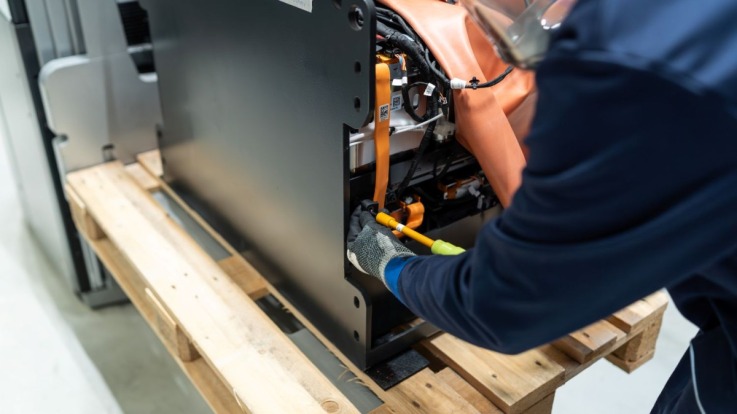
New Energy for Innovation
KION has developed a new modular lithium-ion battery platform that makes high-performance battery technology more cost-effective.
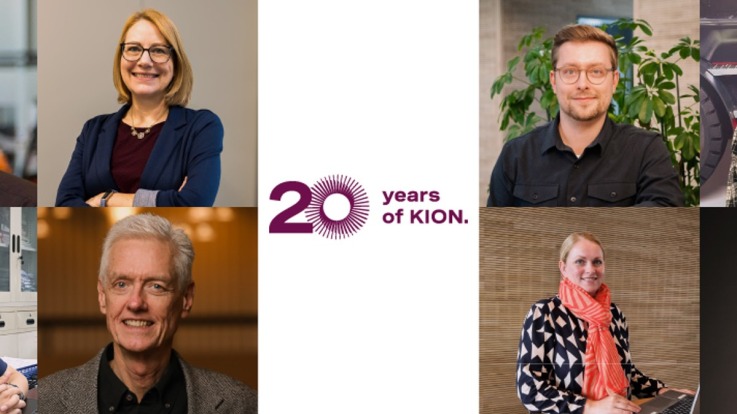
Faces of KION: 20 Years of History
20 years of KION – that’s 20 years of growth, change, and breaking new ground.

When the Rules Weren’t Ready, She Was
Our colleague Eva Virtute set out to complete a sustainability assessment for KION – and hit an unexpected roadblock: the rules she needed simply did not exist.
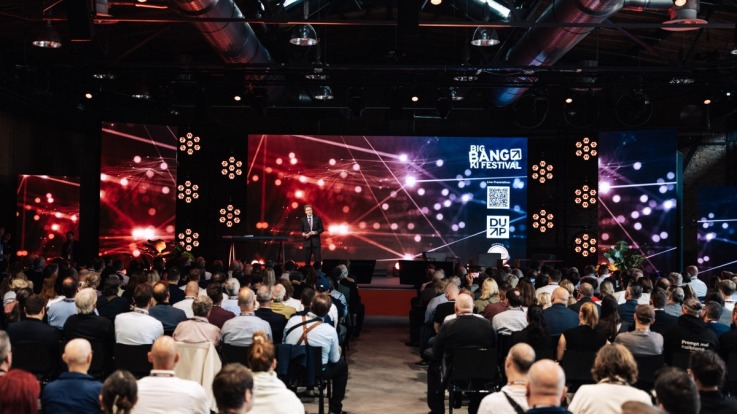
A Big Bang for AI and Intralogistics
More than 11,000 visitors, hundreds of speakers and one question at the heart of it all: what can AI deliver in the real world?
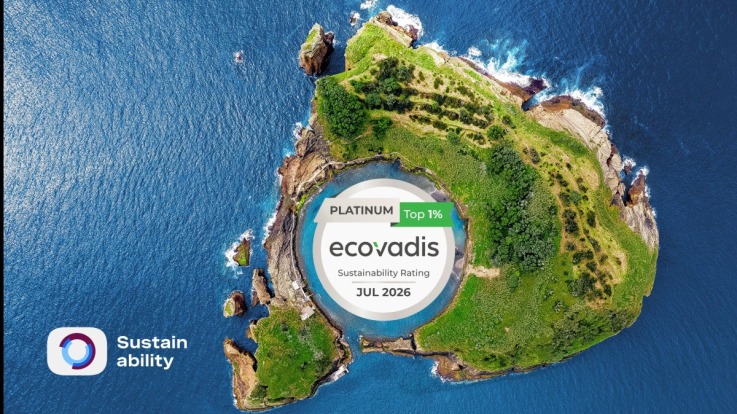
KION achieves record EcoVadis result with Platinum rating
KION achieves record EcoVadis result in 2026, reaffirming and strengthening its Platinum medal first awarded in 2025.
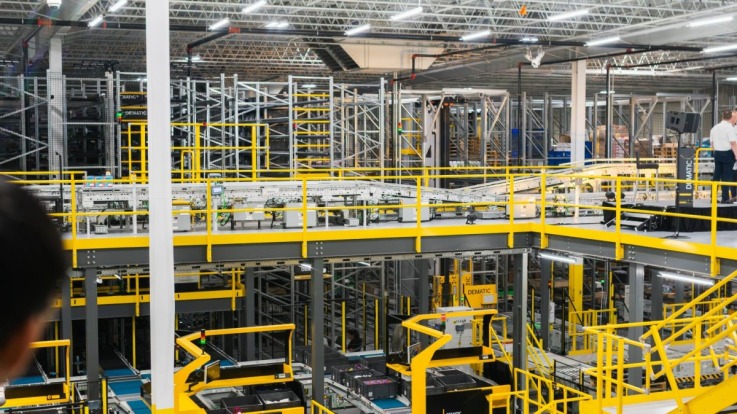
Inside The New Dematic Solutions Center
Dematic customers can now experience and assess warehouse automation under real-world conditions at the new Dematic Solutions Center in Michigan, USA. The nearly 40,000-square-foot facility brings complete automated workflows to life and offers a hands-on look at the possibilities of integrated automation.
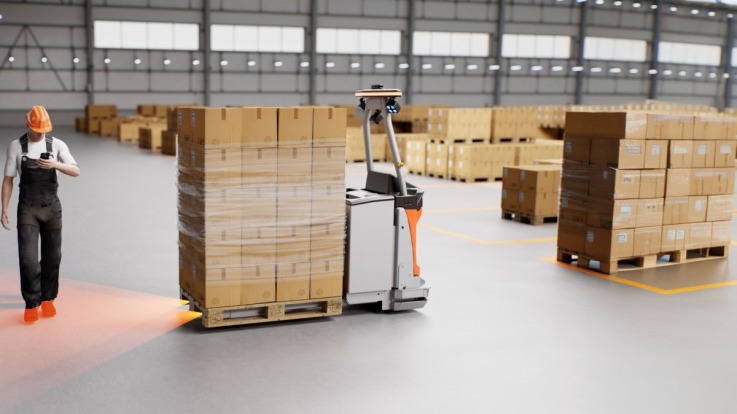
Proven in Operation. Built to Scale.
For years, automated trailer loading has been one of intralogistics’ toughest challenges.

A Summer of KION Play-Offs

First Aid Goes VR
First aid training is essential for workplace safety.
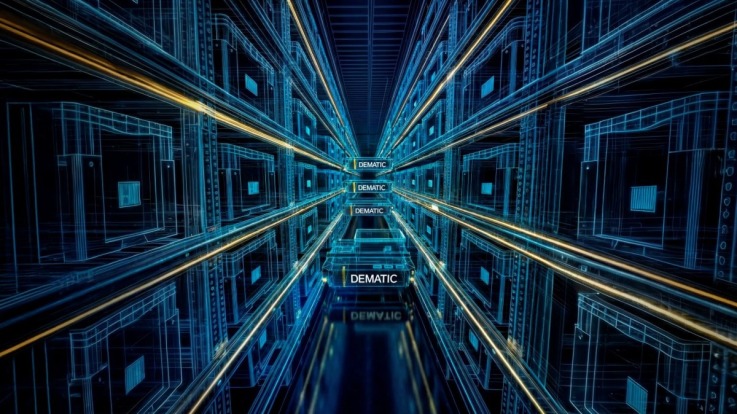
From Puzzle Piece to Warehouse Heartbeat
As KION marks its 20th anniversary, we are looking at how automation has evolved since 2006: from individual applications to the center of modern warehouse operations.
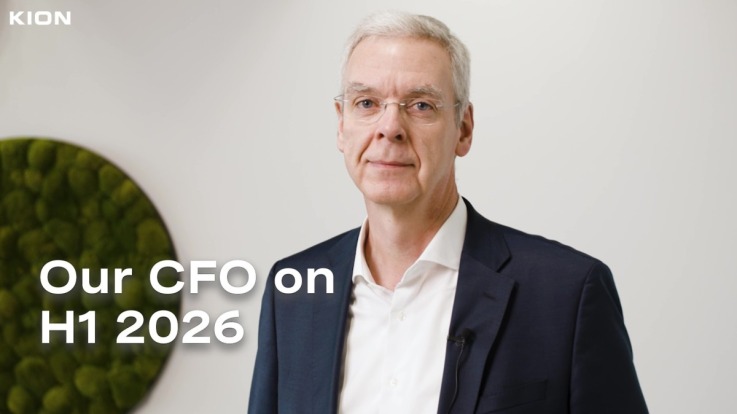
KION with positive first half of 2026
KION’s business performance was positive in the first half of financial year 2026.
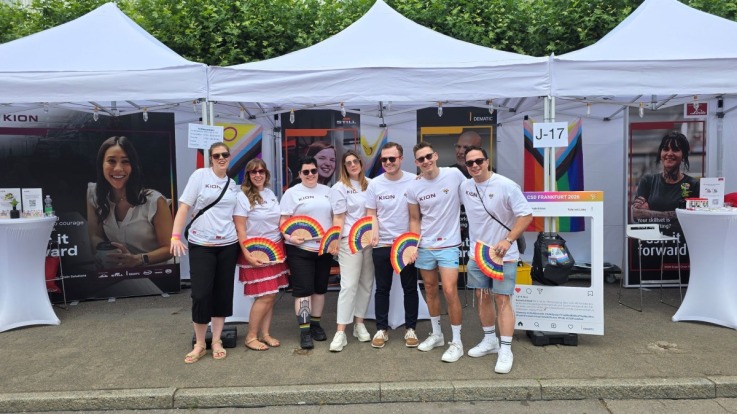
Looking back at Christopher Street Day 2026
Tens of thousands of people celebrated Christopher Street Day in Frankfurt am Main from July 17 to 19, 2026, advocating for the rights of the LGBTQ+ community.
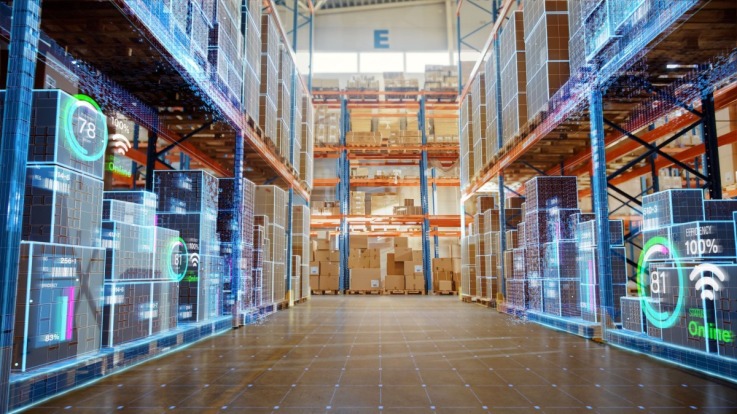
The State of Physical AI – With Steve Bentley
With developments in artificial intelligence moving fast, we sat down with our SVP Software & Digital, Steve Bentley, to talk about the current state of Physical AI at KION.
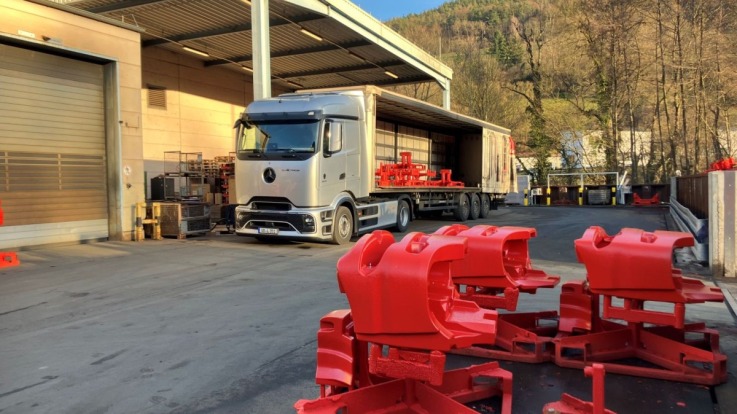
Heavy transport, lighter footprint
Our brand Linde Material Handling is now using electric semi-trucks to transport heavy counterweights from the foundry to the assembly plant.
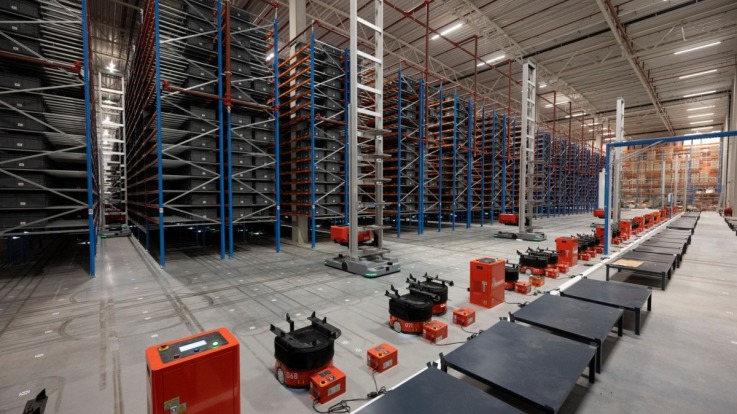
How Retailers Rethink Omni-Channel Delivery
In today’s retail environment, every order sets off a chain of decisions most customers never see. Inventory has to be in the right place, systems have to align, and operations have to move in sync – often within minutes.
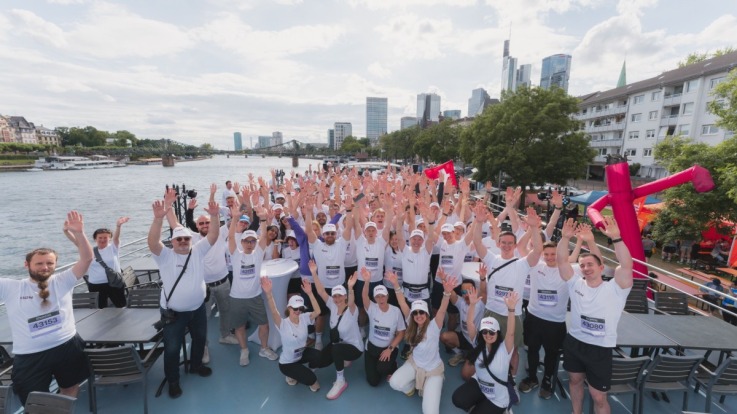
KION at the 2026 JP Morgan Chase
Under the motto “Getting in shape while shaping world trade,” over 200 KION runners and fans participated in the JP Morgan Chase - a sporting highlight for KION’s 20th anniversary.
How AI Optimizes Spare Parts Logistics
In spare parts warehousing, every minute counts.
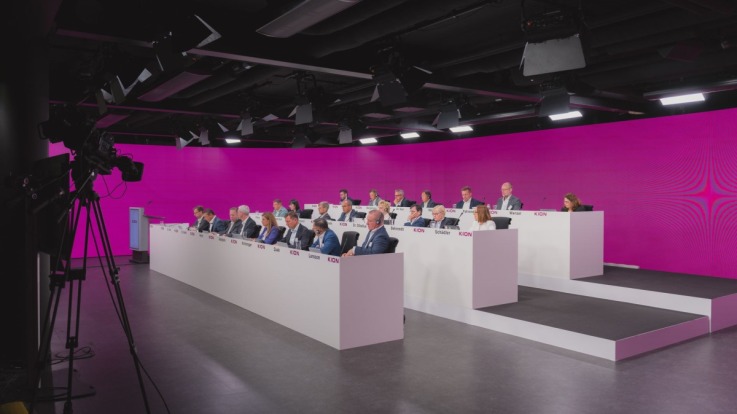
20 years of KION – connecting the heritage with the future at the Annual General Meeting 2026
World trade is more interconnected than ever, and supply chains and trade routes around the globe are extremely complex, with countless of items moving per day. A sophisticated, and also vulnerable orchestra that needs a conductor.

Beyond Green: Sustainability as a Business Driver
Driving throughput, revenue, and profit through sustainability: our brand Dematic shows how this can be achieved in intralogistics and supply chain management.
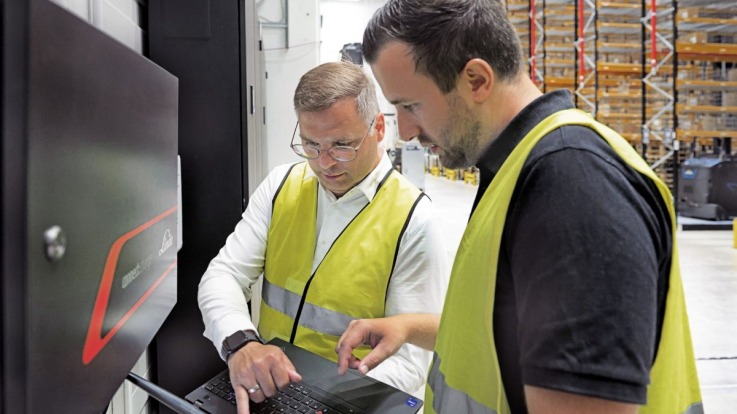
Energy & Charging Management as a Key Task
For a long time, electricity was simply “always there” in intralogistics.
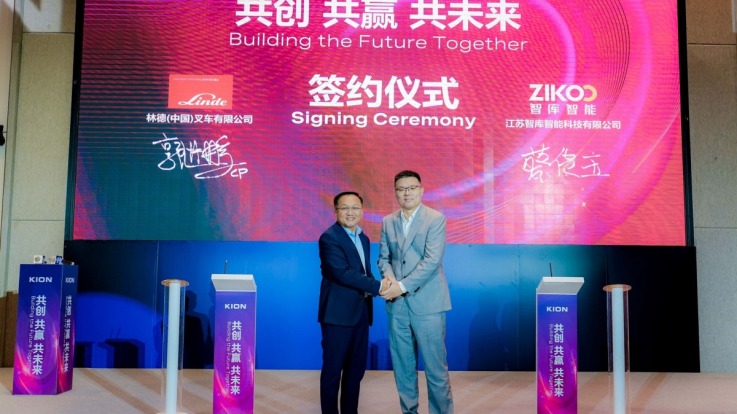
KION invests in ZIKOO to drive AI Warehouse Automation
As supply chains continue to evolve, warehouses are becoming smarter, faster, and more automated.

A closer look at our sustainability performance
With the publication of our Annual Report 2025, including the Sustainability Report prepared under the EU Corporate Sustainability Reporting Directive (CSRD), as well as our Supplementary non-financial insights 2025 KION demonstrates its commitment to transparency and sustainability.
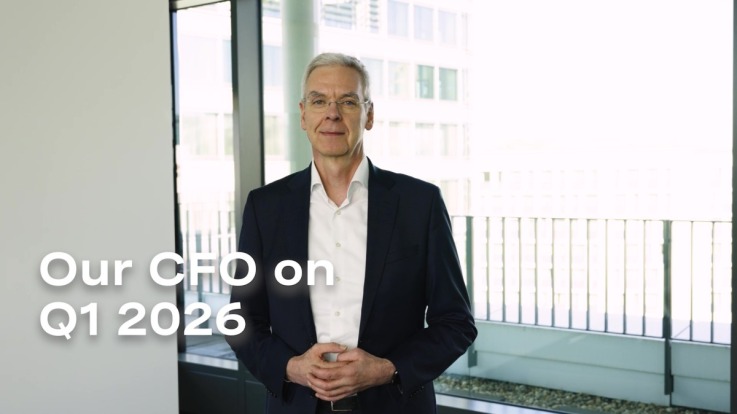
KION with positive start into 2026
KION had a positive start into the financial year 2026, in line with its expectations.
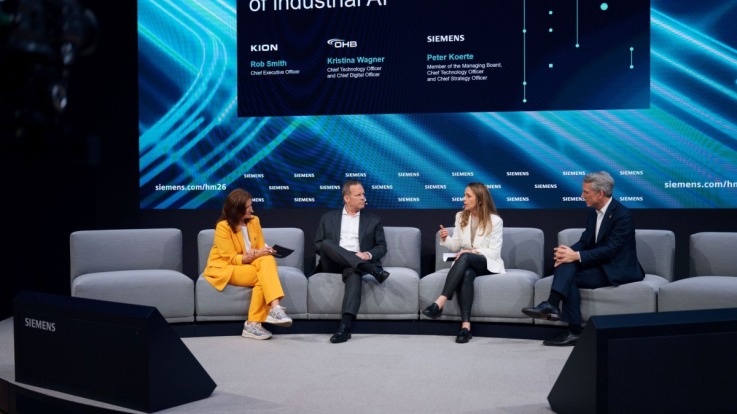
KION and Siemens Launch Strategic Partnership
To unlock the full potential of physical AI, KION has entered into a strategic partnership with Siemens – a global leader in industrial AI. Announced at Hannover Messe 2026, this collaboration provides KION with another powerful lever to make complex logistics processes more predictable and efficient.
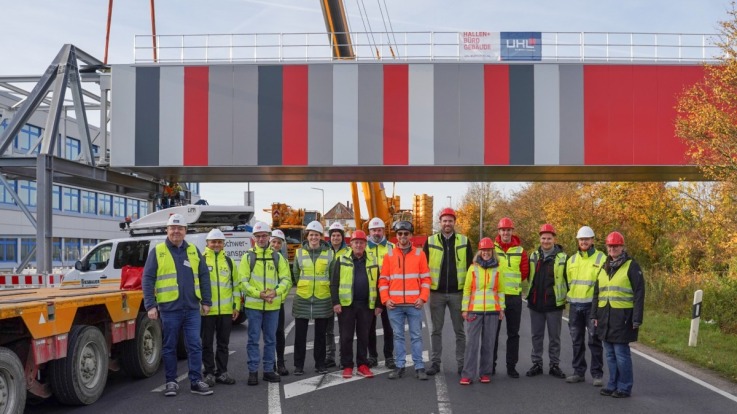
A Bridge to the Future
Our Linde MH brand is completely restructuring the production supply at the Aschaffenburg site.
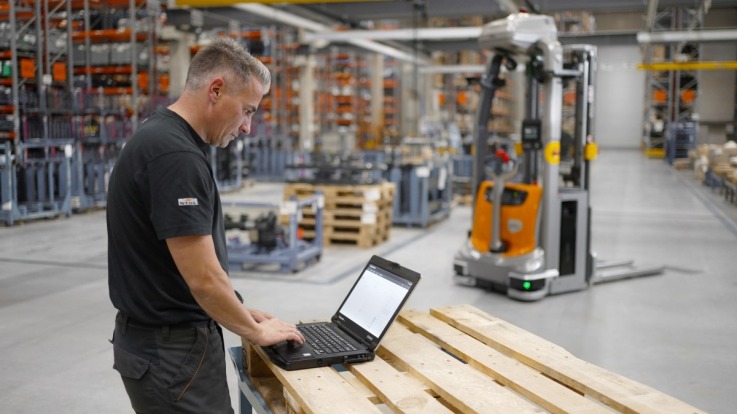
Flexible Scaling
Automation is no longer the exclusive domain of large companies.
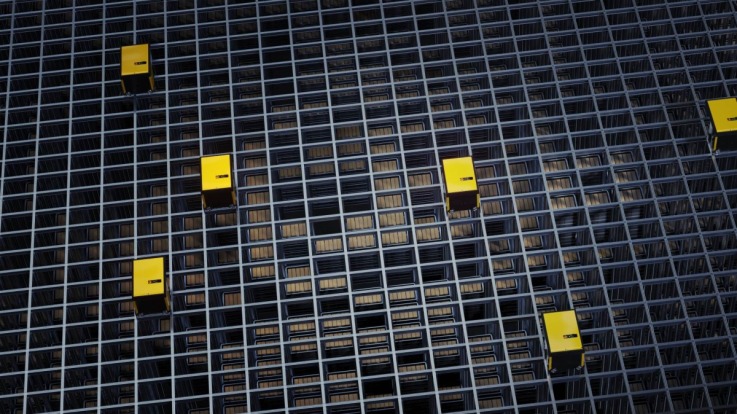
Beyond Throughput
At first glance, growth and profitable growth appear to be closely related, yet it is often precisely these subtle differences that determine success or failure for customers.
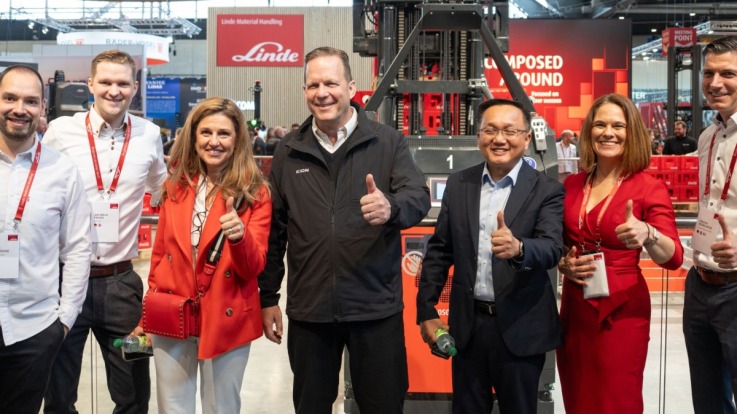
Solutions for the supply chains of tomorrow
On-site visit to our brands at LogiMAT in Stuttgart: Here we show how intelligent supply chains are created through the interplay of data, automation, and integrated systems.
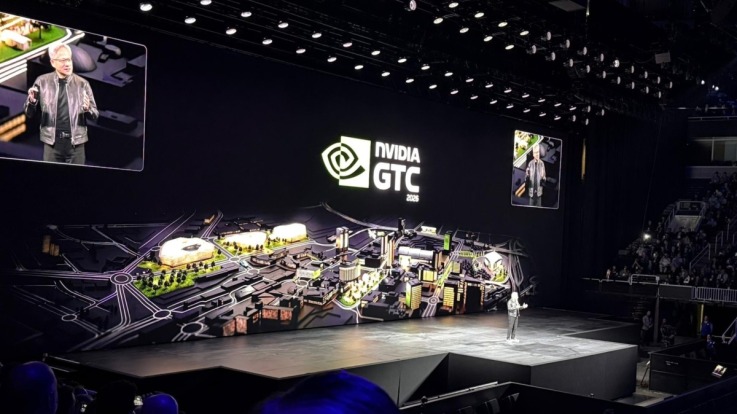
KION showcases AI applications at tech conference
At the GTC developer conference in California (USA), KION is presenting an autonomous forklift truck and an AI-based safety solution designed to locate people and industrial trucks in warehouse environments.
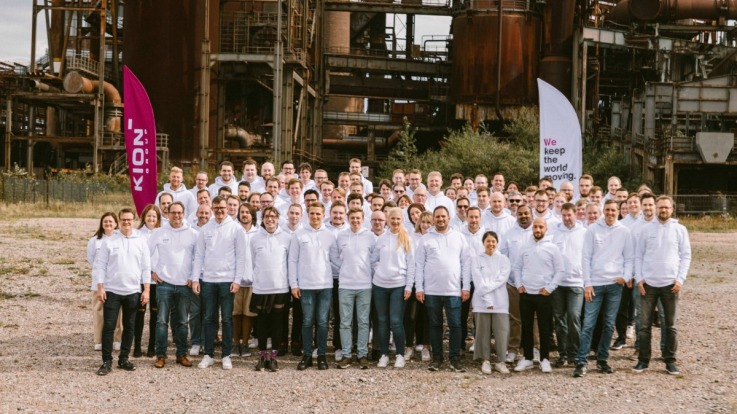
An innovation team with a start-up mentality
The KION Group's Digital Business Unit (DBU) combines start-up spirit with corporate strength, making a significant contribution to shaping KION as the supply chain solutions company.
KIONs next chapter: becoming The Supply Chain Solutions Company
For 20 years, KION has been shaping the future of global supply chains.
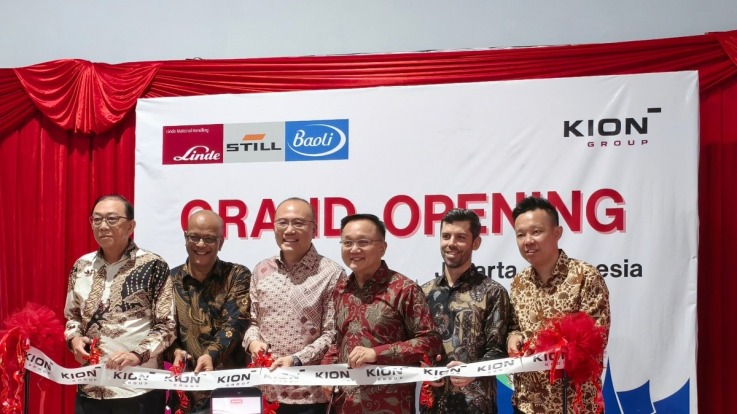
KION expands into Indonesia
KION has opened a new entity in Indonesia, marking its latest expansion in the Asia-Pacific region.
KION with solid financial year 2025 – strong order intake
KION delivered a solid business performance in the financial year 2025 in a challenging geopolitical and macroeconomic environment.
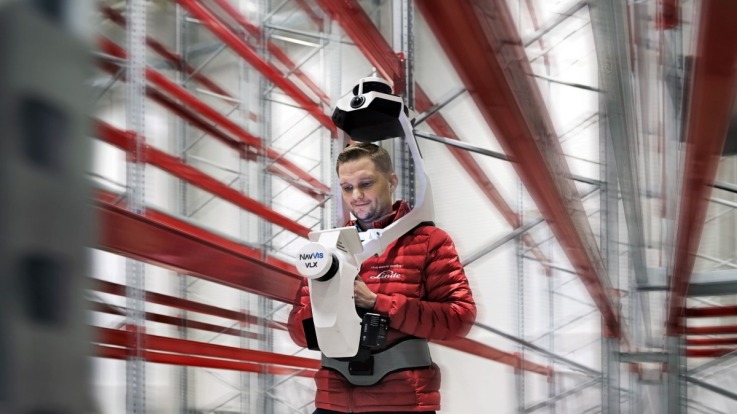
How KION, NavVis, and NVIDIA are Collaborating on Industrial Digital Twins
Modern factories and distribution centers operate at a pace and complexity that traditional planning tools were never designed for. These environments shift constantly: racks move, automation zones expand, and people and vehicles navigate layouts that often diverge from the latest drawings, even in organizations with strong documentation habits.
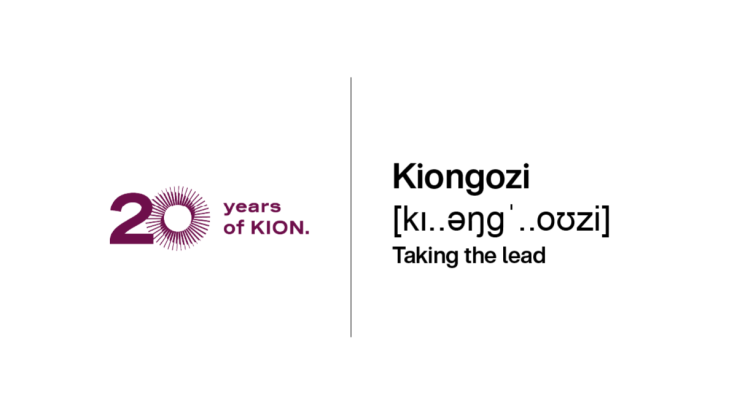
Birth of a brand: How KION became KION
This year, our company celebrates its 20th anniversary.
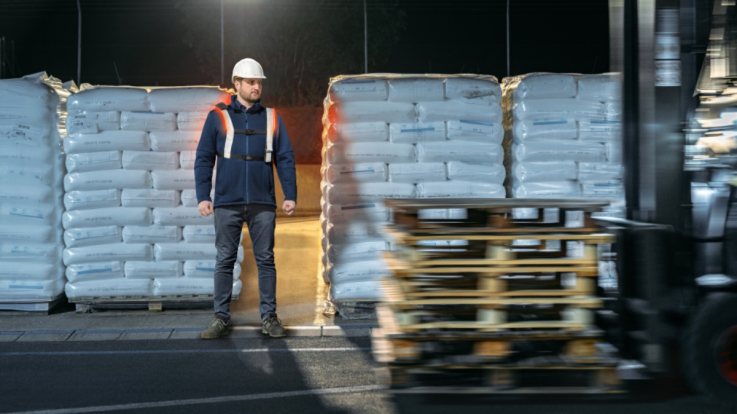
Advantages and disadvantages of active and passive assistance systems
Should a safety assistance system actively intervene in the driving process to prevent accidents?
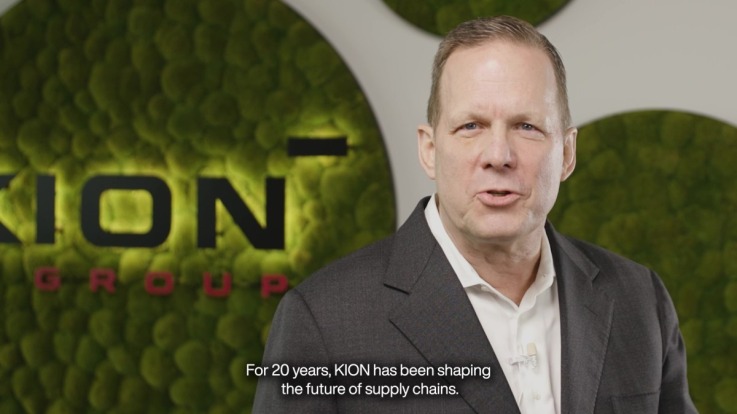
20 Years of KION: Milestones and turning points in our history
Since its founding in 2006, KION has undergone a fundamental transformation and evolution: from a forklift truck manufacturer to an automation pioneer, and now to a Supply Chain Solutions company.
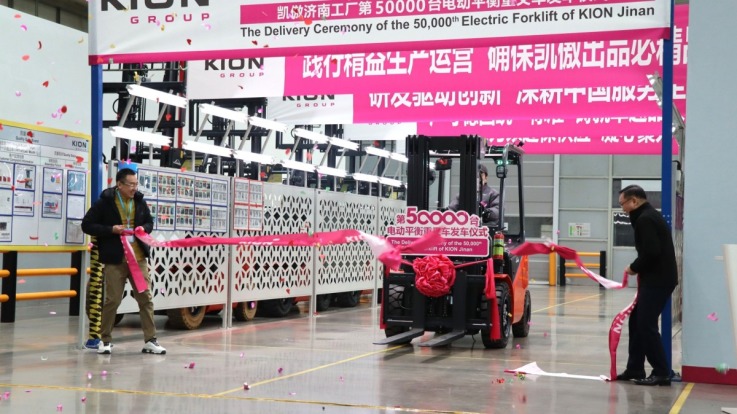
A Milestone Forged in Partnership
In December 2025, a special milestone was celebrated in KION´s intelligent ITS plant in Jinan, China’s Shandong province — the delivery of the 50,000th forklift.
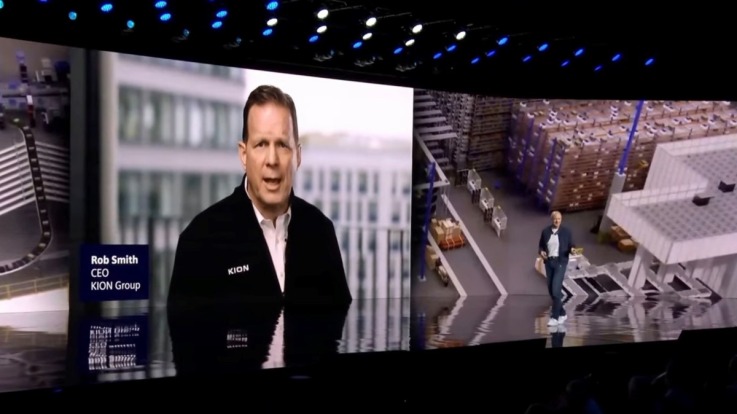
CES 2026: From Vision to Industrial Reality
CES in Las Vegas opens up every new year with a big bang – with an enormous density of innovation, setting trends and teasing where entire industries are heading.

7 solutions that make the warehouse safer
Working with forklifts weighing several tons often creates hazardous situations.
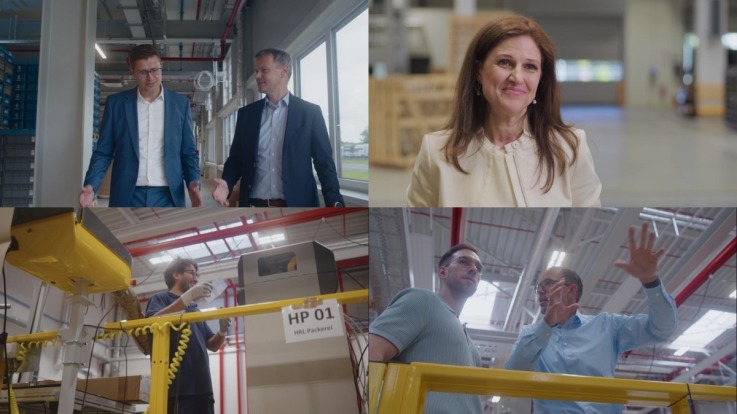
The future of intralogistics is sustainable
The world of intralogistics is undergoing a profound transformation, turning warehouses into intelligent, high-tech hubs where efficiency and sustainability go hand in hand.
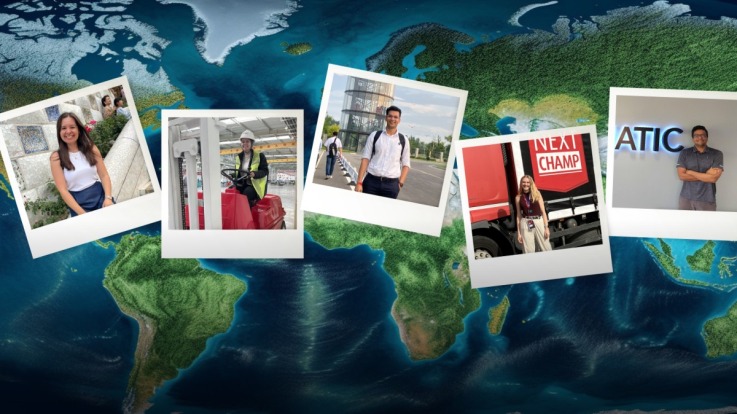
KION Management Trainees Explore Global Business
Our trainees pack their bags and immerse themselves in international projects – right in the heart of Barcelona, Xiamen, or Grand Rapids.
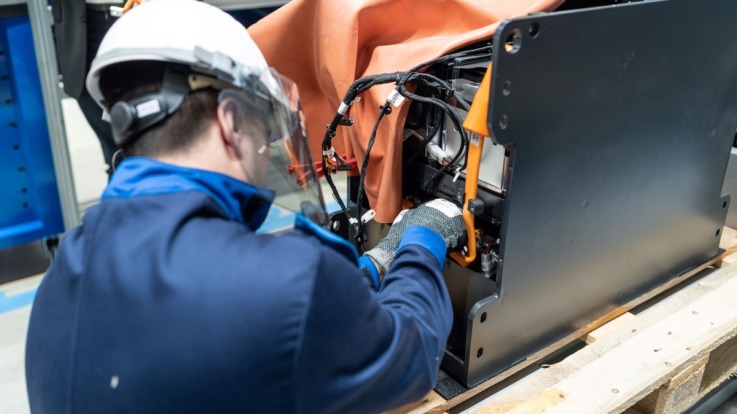
Half the Price, Full Power: KION Sets New Standard for Lithium-Ion Batteries
Electromobility is the backbone of modern intralogistics – and batteries are one of the crucial components.
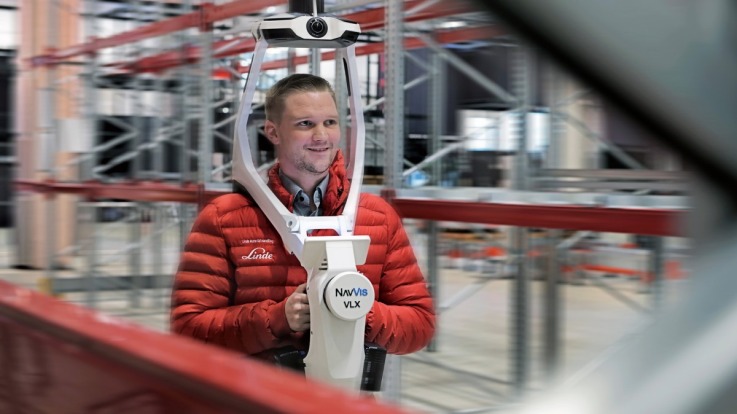
Linde Automation Summit: automation solutions for the present and future
How can the transformation toward higher levels of automation succeed in the intralogistics sector?
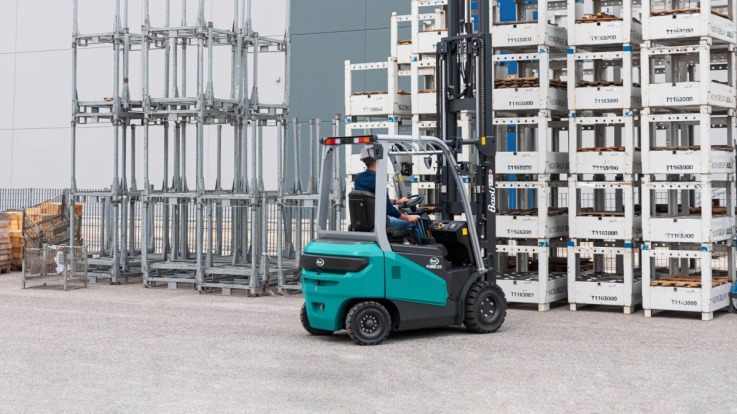
The Underrated Brand of the KION Group: 7 Fascinating Insights into Baoli EMEA
Baoli is considered KION’s affordable entry-level brand—reliable forklifts, pragmatic, and focused on essentials.
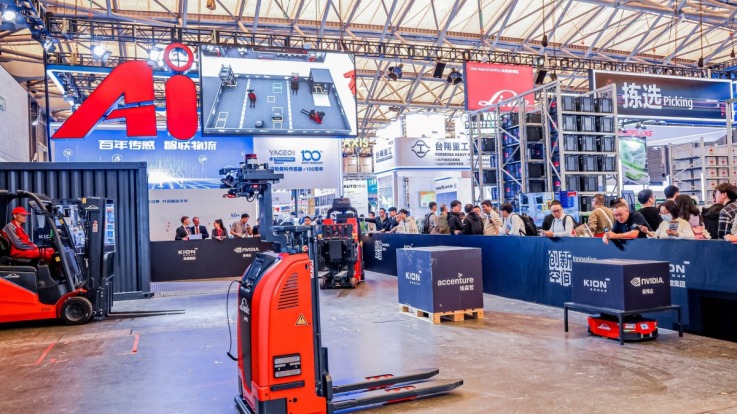
Leading the Era of Harmonized Intralogistics
At CeMAT Asia 2025 in Shanghai, KION united three of its brands—Linde Material Handling, Baoli, and Dematic to stage the future of intralogistics in a symphony of cutting-edge intralogistics.

KION with a solid third quarter – strong order intake increase in the first nine months of 2025
In the first nine months of the financial year 2025, KION’s results were overall in line with expectations.
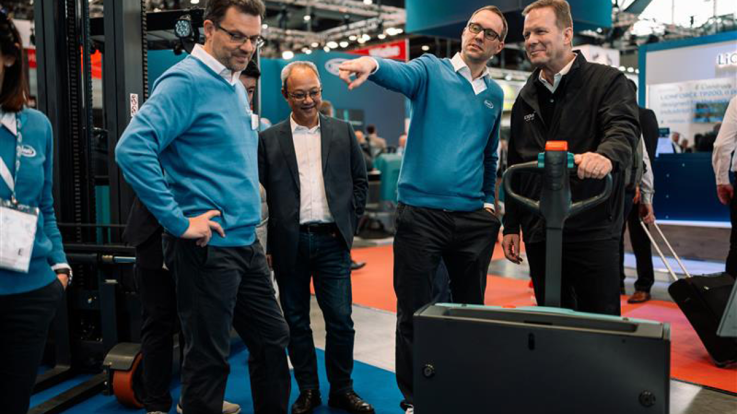
"Our customers don't want to choose between a hundred options."
Baoli makes material handling easy: The KION brand supplies robust, CE-compliant forklifts and warehouse technology for everyday tasks – attractively priced and reliable.
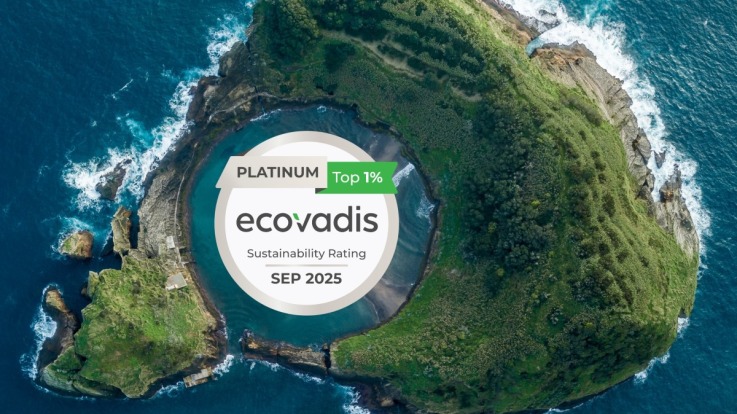
EcoVadis awards KION Group Platinum rating for sustainability commitment for the first time
Major success: In September 2025, KION Group received the highest award from EcoVadis, the Platinum rating, for the first time.
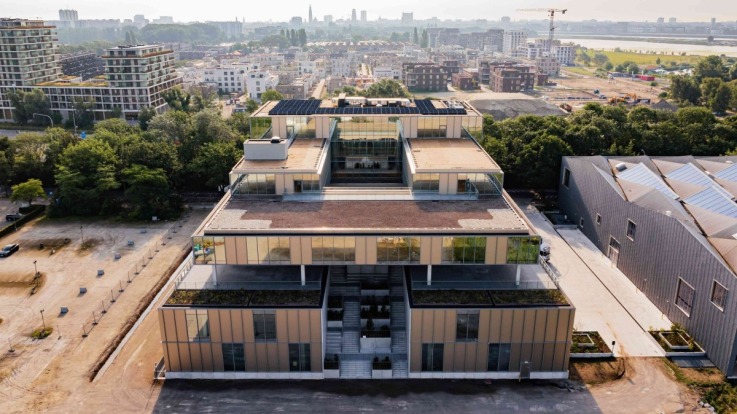
KION Antwerp: How the Centre of Excellence is driving automation and AGVs forward
It is not where development takes place that is crucial, but rather that expertise is pooled: in Antwerp, development, engineering and testing come together – with a direct link to the customer.
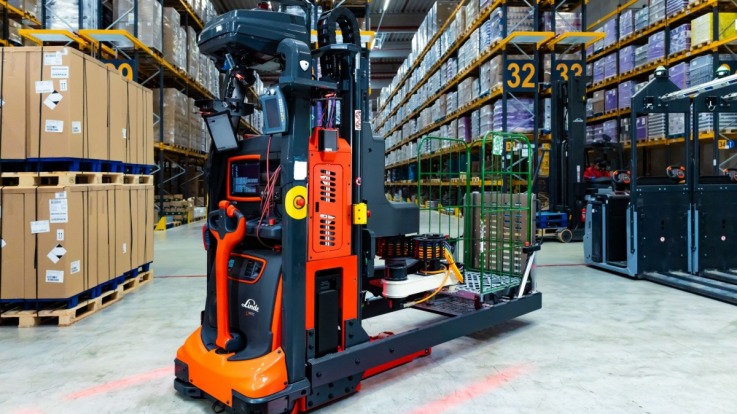
Innovative Robotic Truck Successfully Tested with ROSSMANN
Manual order picking is one of the biggest sore spots for our customers.
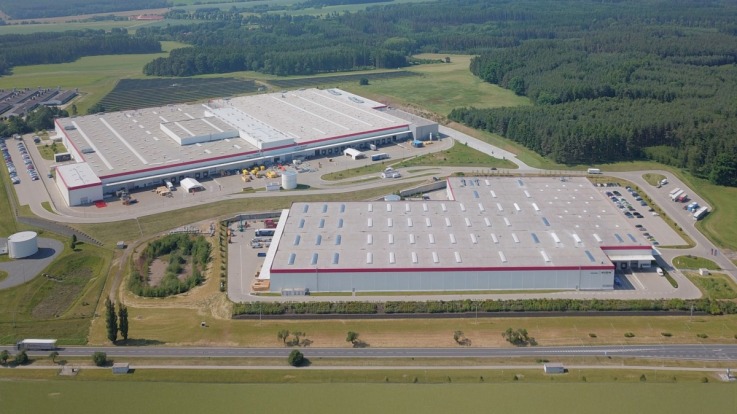
KION Group celebrates 10 years of the Stříbro plant: From the start of production to a smart factory
Ten years ago, the KION Group laid the foundation stone for one of its most modern sites in Europe in Stříbro, Czechia.
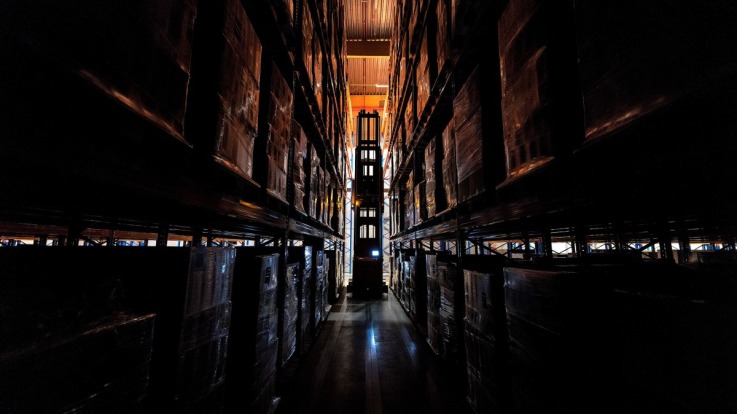
Dark, Lights-out, Always-On: How warehouse operations are setting the pace for modern supply chains
Fully automated storage systems can operate without personnel and thus “in the dark.” But how far has this technology progressed in practice?
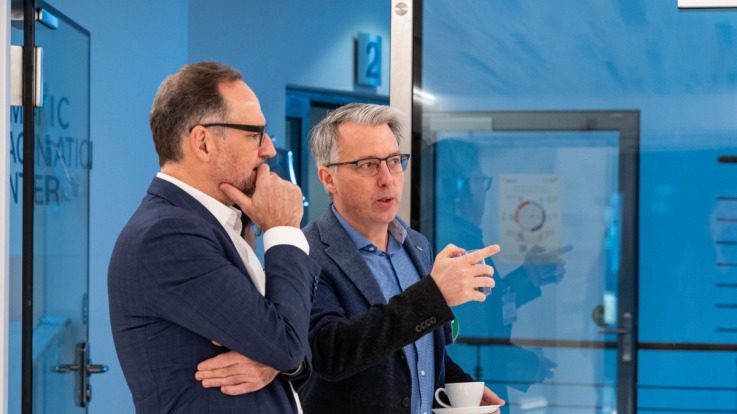
Stronger together: why partnerships drive the KION Group forward
You don't have to do everything yourself—especially when others can do it faster, with greater expertise, or more sustainably.
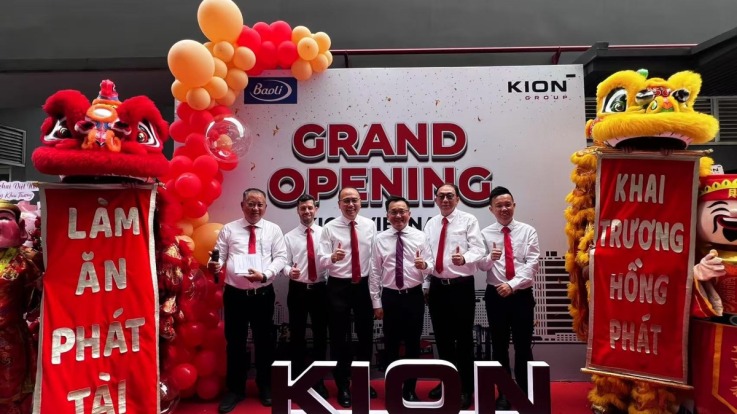
The KION Group is celebrating the opening of its new location in Vietnam
The KION Group has opened a new location in Ho Chi Minh City, Vietnam.
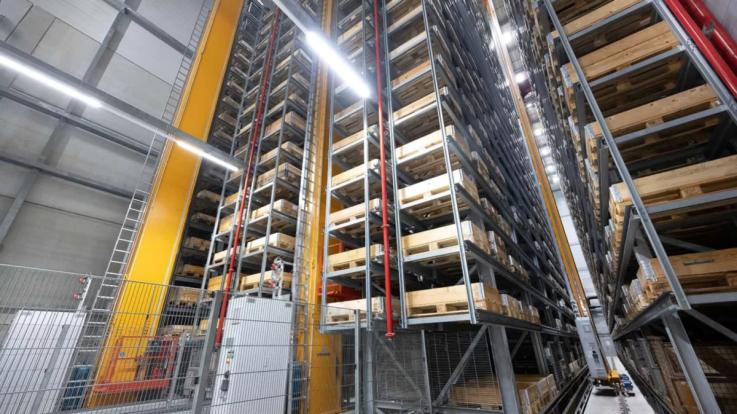
The Future of Logistics: How Automation is Revolutionizing Supply Chains
More automation – that’s what every warehouse operator wants.
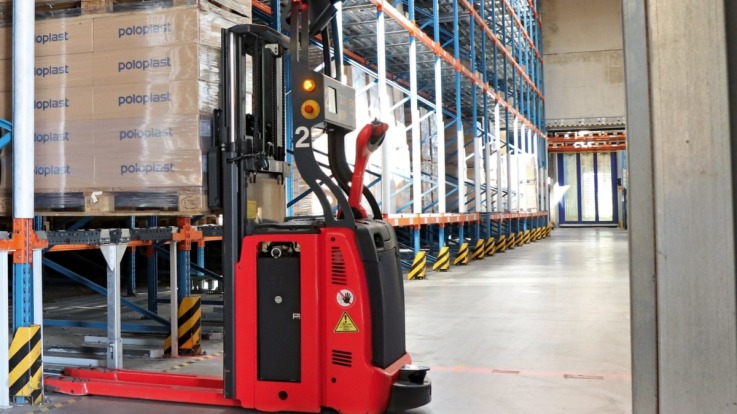
The Future of Logistics is Flexible: Discover Automation for every Need
Automation is as individual as the companies using it. Even automating individual process steps noticeably increases efficiency in the warehouse.
KION with strong customer demand in the first half of the financial year 2025
In the second quarter of the financial year 2025, KION continued its trend of the first three months, reporting results in line with expectations.
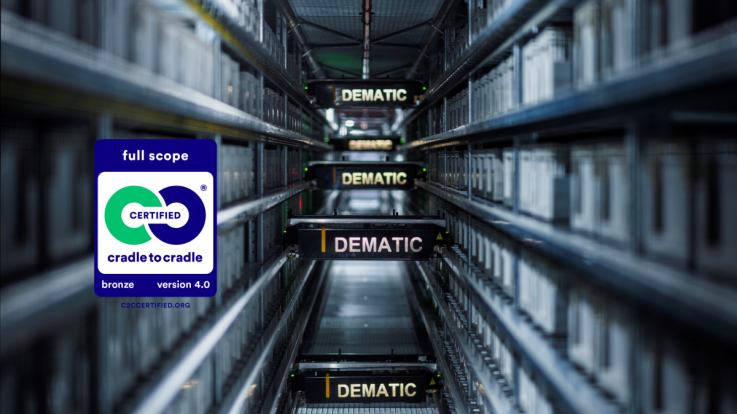
The Dematic Multishuttle® 2 is officially Cradle to Cradle Certified® Bronze
July 24 marks Earth Overshoot Day for 2025.
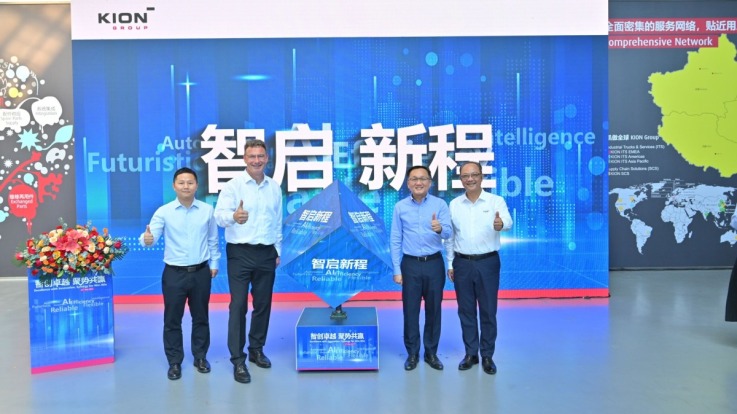
KION upgrades its APAC Automation Center of Excellence
KION Group has taken a significant step forward in intelligent logistics, unveiling its upgraded Asia-Pacific Automation Center of Excellence in a high-profile ceremony attended by top executives, customers, and partners.
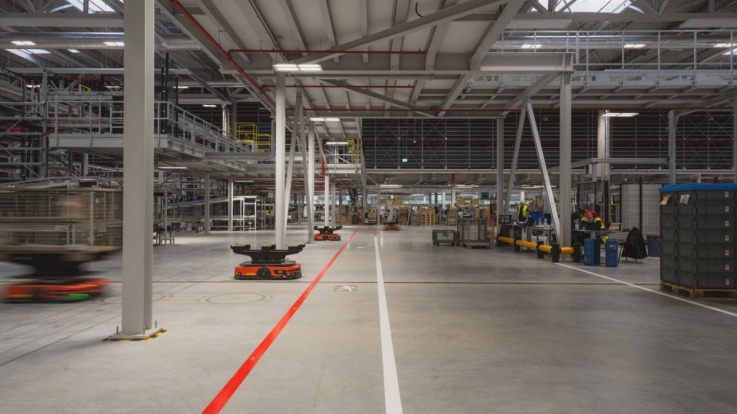
KION opens highly automated spare parts distribution center in Kahl am Main
The KION Group today opened its new KION Regional Distribution Center Central Europe (KION RDC CE) at its site in Kahl am Main.
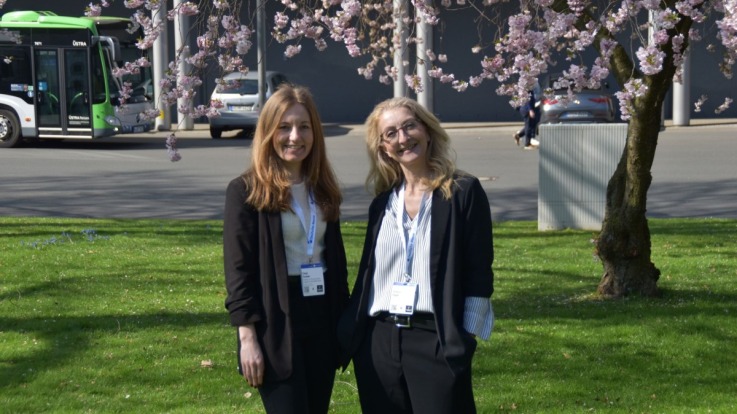
Defeating the hidden giant: KION’s decarbonization journey in procurement
As one of the world's leading supply chain solutions companies, KION's bread and butter is optimizing customers' operations and value chains.
KION starts in 2025 with solid customer demand amidst increasing global geopolitical uncertainties
In the first quarter of 2025, KION's key performance indicators developed in line with expectations for the financial year.
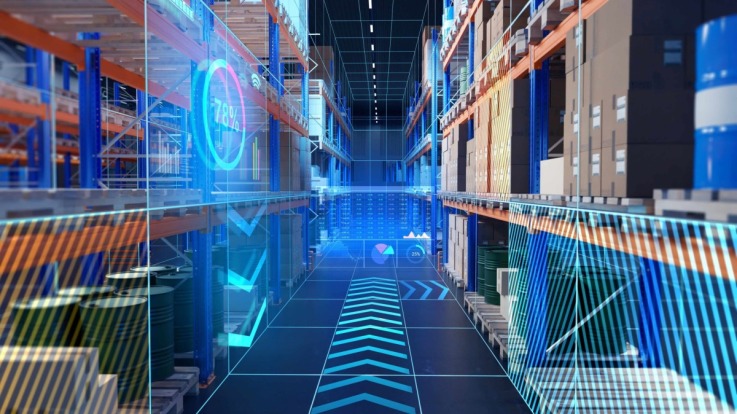
How AI and genetic algorithms optimize intralogistics at KION
Artificial intelligence (AI) is revolutionizing numerous industries.
Brownfield automation: How the KION Group modernizes warehouses during ongoing operations
The Covid era left a legacy for the logistics industry: Large warehouses that were built for the e-commerce boom but can often no longer be used optimally today because demand has shifted.

KION Management Trainees in their international assignment
The stay abroad is the centerpiece of the KION Management Trainee Program.
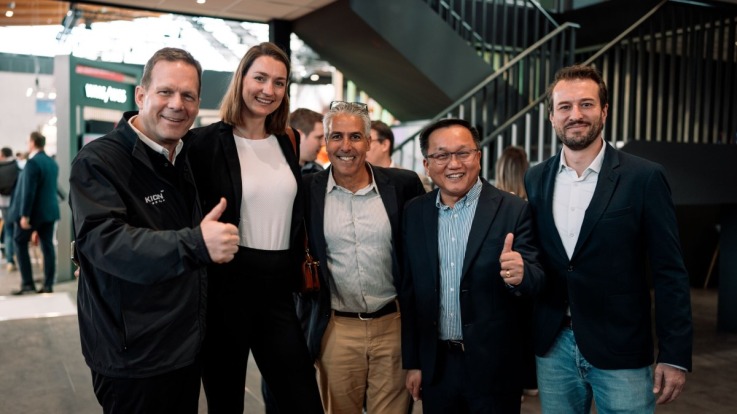
KION presents physical AI solution at LogiMAT in Stuttgart
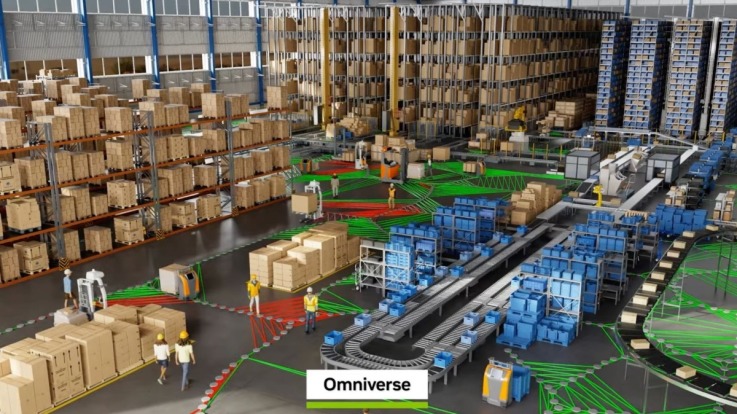
The KION Group, as part of a large-scale collaboration with NVIDIA and Accenture to reinvent industrial automation, introduces its first physical AI-powered Omniverse solution at LogiMAT 2025 in Stuttgart, Germany, from March 11-13.
_image_737x414.jpg)
KION with strong financial year 2024: significant increase in profitability
KION has made very good progress in both operating segments and at the KION level since the difficult year of 2022, which was characterized by high inflation and disruptions to global supply chains.
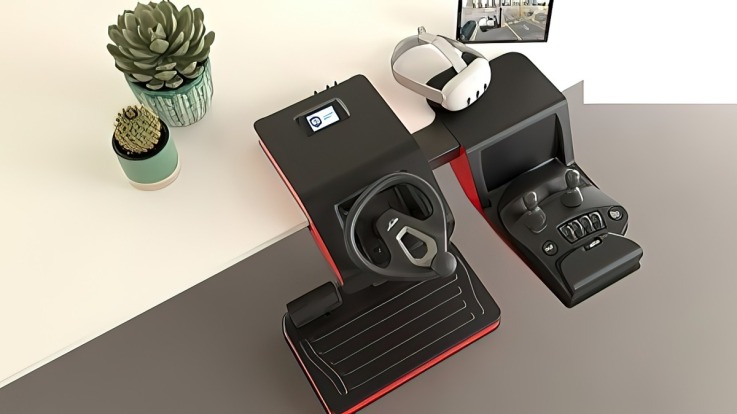
How Linde Material Handling uses virtual reality for driver training
The world of intralogistics is changing rapidly and modern technologies are also opening up new avenues for driver education and training.
KION GROUP AG included in Dow Jones Best-in-Class Europe Index
KION GROUP AG has qualified for the renowned Dow Jones Best-in-Class Europe Index (formerly the Dow Jones Sustainability Europe Index) for the first time at the end of 2024.
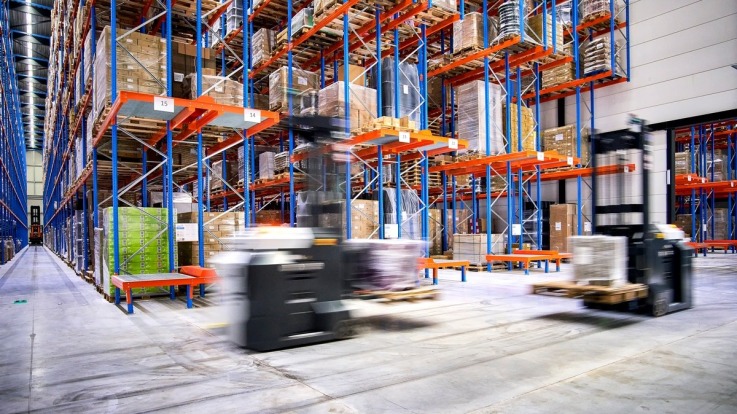
Architect of the Future: How Joachim Tödter Shapes the Logistics of Tomorrow at KION
How do you develop innovation in logistics?
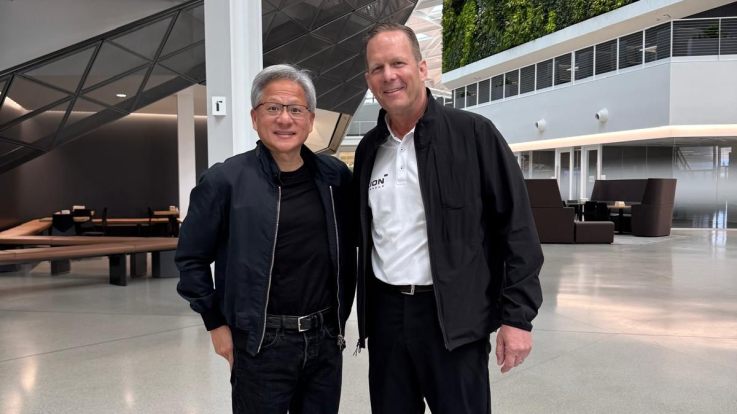
KION Teams with NVIDIA and Accenture to Optimize Supply Chains with AI-Powered Robots and Digital Twins
KION Group, the Supply Chain Solutions Company, is working with Accenture to optimize supply chains using NVIDIA’s advanced AI and simulation technologies.
KIONs climate targets successfully validated by the Science Based Targets initiative
KION GROUP AG’s climate targets have been validated by the Science Based Targets initiative (SBTi).
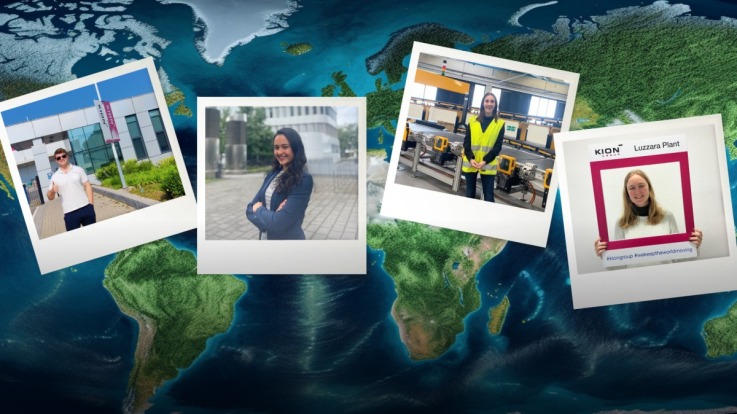
KION Management Trainees in their international rotation
The international section is a fixed part of the KION Management Trainee Program.
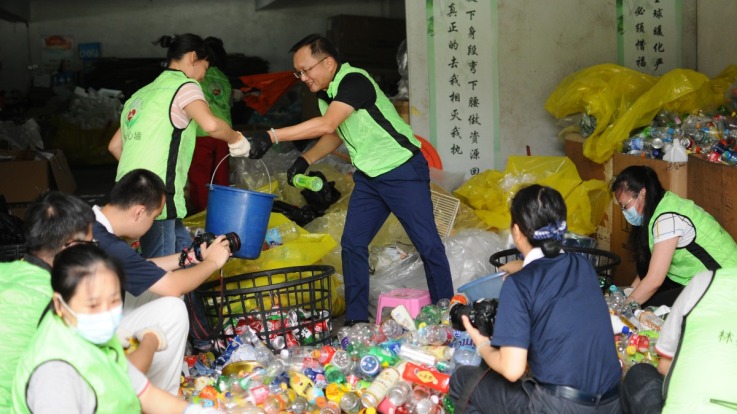
40 % fewer screws - and a "saved" exhibition stand
As one of the world's leading intralogistics companies, the KION Group is committed to fully and strategically integrating sustainability into its core business.
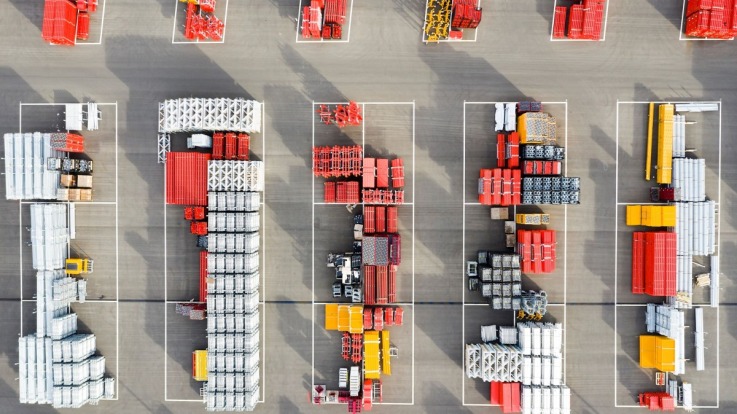
Why automated truck loading and unloading continues to be a challenge
Automated truck loading and unloading is the “Holy Grail” of intralogistics.
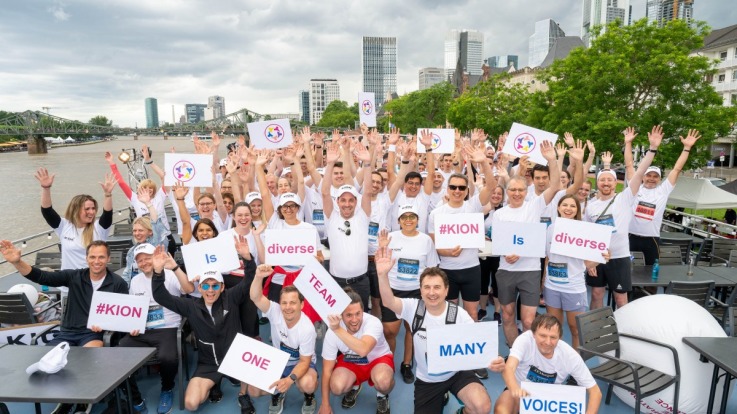
Nine Facts That Prove KION Is a Great Place to Work
A total of 42,325 people work for the KION Group and its brands worldwide.
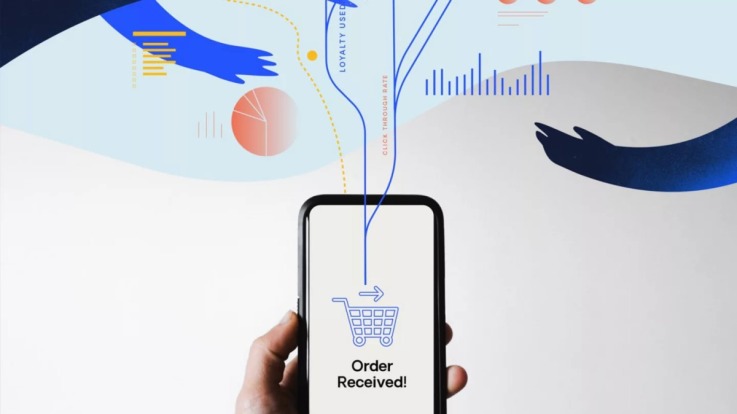
Automation of logistics processes in the world of clothing and fashion
Whether its Milan, Paris or Berlin, tomorrow's fashion trends have now been launched on the various catwalks during the major fashion weeks across Europe.
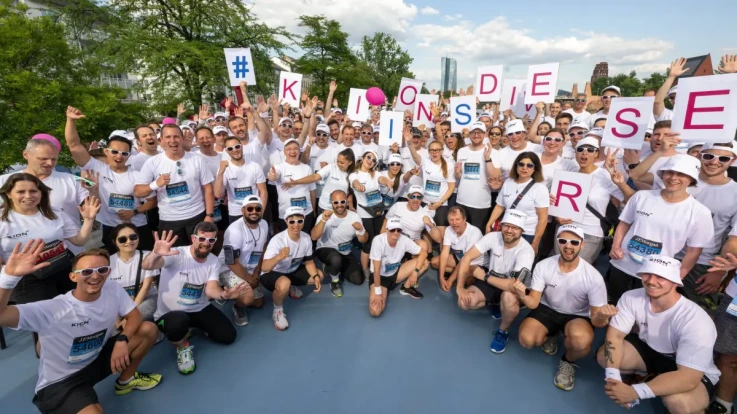
KION Group Supports Company Runs and Sporting Events for Employees
The power of sports strengthens team spirit, brings colleagues together, and creates unforgettable experiences.
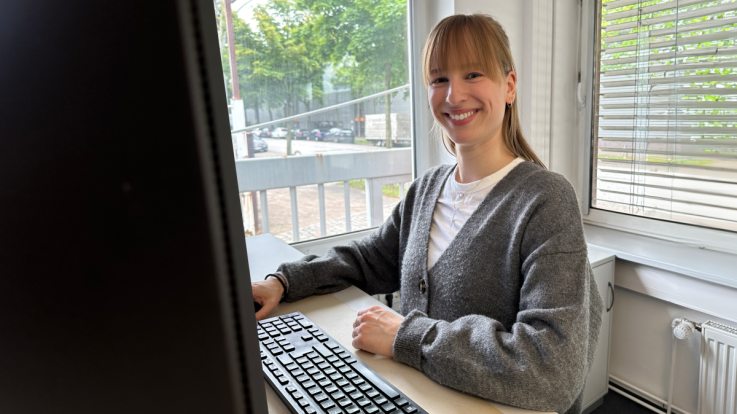
Everyday life of a deaf person at work
Sarina is a customer order processor at STILL.

Artificial intelligence is revolutionizing the maintenance process of industrial trucks
Artificial intelligence (AI) is increasingly finding its way into the KION Group's day-to-day work.

"Double 11: Retail and e-commerce logistics from a single source
During the annual shopping spectacle of online giant Alibaba on November 11, the volume of orders in China massively increases – and yet delivery within three days is guaranteed.
Discover our older stories on digitalization, automation, innovation, sustainability, and other exciting topics in our archive.
Read more

See social media posts from KION and our Operating Units.

See our latest company information.

Our portfolio as well as our brands and milestones.

Executive and Supervisory Board of KION GROUP AG.

Why sustainable practices are a basis for our success.

Grow with us and be part of our success story.
Your contact for news and stories.